
What is the true value of the North’s cultural capital? Inquiry Evidence Session 1
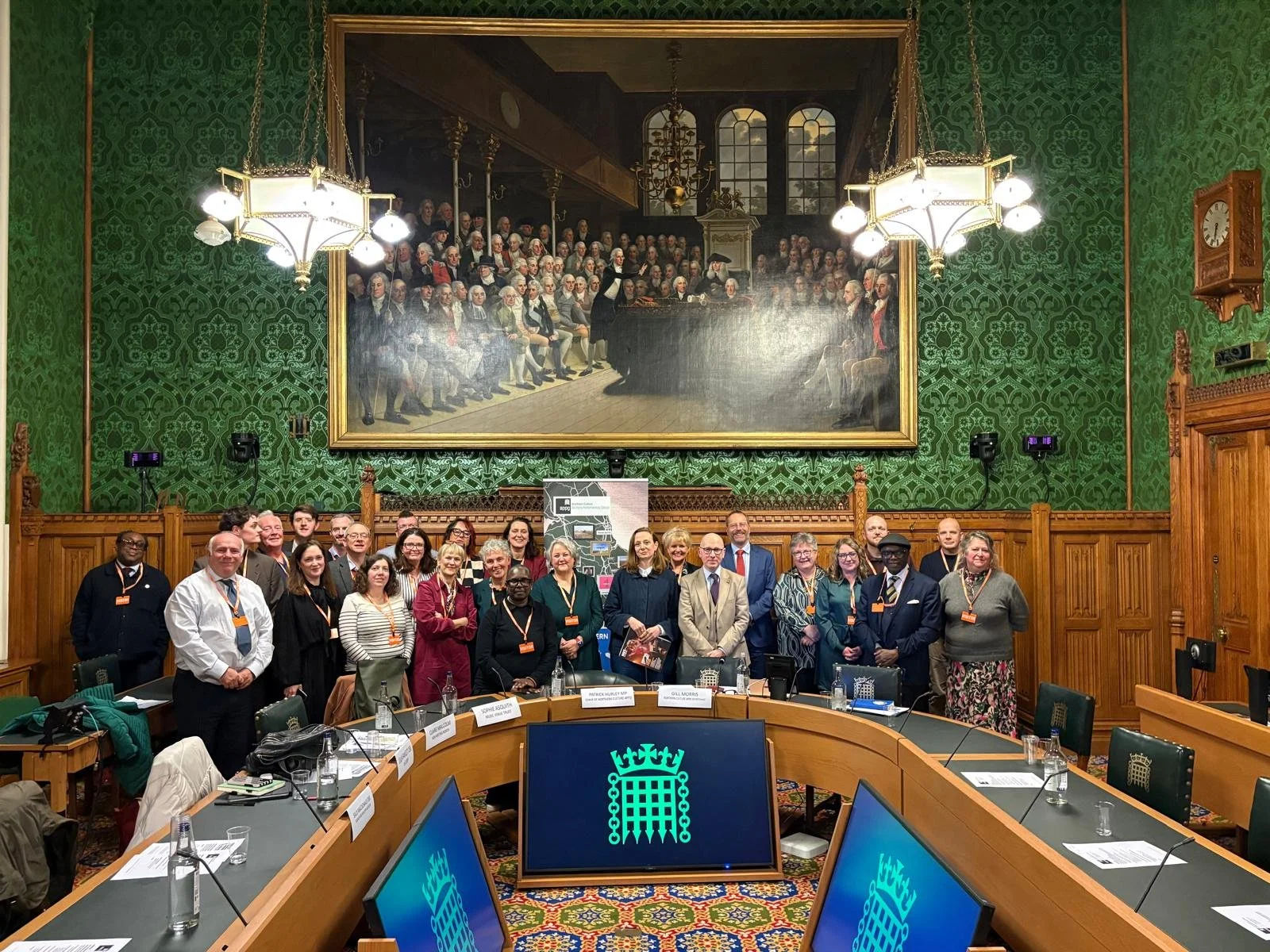
On Tuesday 27th January, the Northern Culture APPG held it’s first oral evidence session in Westminster, focusing on the true economic and social value of the North’s cultural contribution.
The Inquiry Session
The opening oral evidence session of the Northern Culture APPG’s ‘Untapped’ inquiry focused on shaping the direction and ambition for the Inquiry; testing the assumptions we have on culture and building the necessary consensus points around the changes required to fully untap the North’s cultural capital. The session heard evidence from a panel of industry experts including:
Sophie Asquith, Music Venues Trust
Claire Malcolm, New Writing North
Julia Fawcett OBE, The Lowry
Sally MaDonald OBE, Science and Industry Museum
Our expert panel covered a range of topics, from historic successes to continued challenges in the sector. In particular, they highlighted the significance of cultural regeneration in areas such as Media City UK in Manchester, the need to place trust with communities first to deliver change and the need to increase regional collaboration through networks to create hub and spoke models for cultural led growth. The session was chaired by the Northern Culture APPG’s new Co-Chair, Patrick Hurley MP, and attended by a number of MPs and Peers from across the North including:
Andy Macnae MP
Lord Docherty
Lord Inglewood
Parliamentarians probed the evidence and made comments on a number of issues surrounding culture, such as current business and valuation rates for cultural venues, community heath and wellbeing returns from the arts, as well as how we can use the success of cultural institutions to address serious deprivation in surrounding areas.
Key Messages
We need to make sure local authorities are thinking about year round infrastructure. It's easy to only think of big events, such as festivals, but we should not exclude grassroots music venues and events throughout the year.
Culture is far too often viewed as a discretionary activity, preventing us from investing in it as a whole sector. When policy focuses on binary outcomes, it ignores overall value more widely. We need more investment but also more joined up thinking.
Sometimes it's about specialist networks and the hub and spoke model - devolution can strengthen those networks.
It is important to explicitly consider rurality within the APPG’s work, particularly in relation to cultural provision in towns that serve large rural hinterlands. Arts organisations in these towns often support access to culture for very wide geographic areas.
